

Licensing vs manufacturing your invention
Two very different ways to take an idea to market, and how to work out which one suits you.
Once an invention works, there's a big decision to make: do you make and sell it yourself, or do you license it to a company that already makes and sells similar things?
I'm weighing this up myself with my own inventions, so this isn't theory to me. Neither option is right for everyone. It depends on how much money you have, how much risk you can live with, and what you actually want to spend your days doing.
A quick note
I'm a product builder, not a lawyer or financial adviser. This guide explains the general options. Before you sign a licence deal or commit money to manufacturing, get advice from a registered patent attorney, a lawyer and an accountant.
What licensing means
Licensing means you keep ownership of the invention and give a company permission to make and sell it. In return, they usually pay you a royalty, which is a share of each sale, and sometimes an upfront payment as well.
The company takes on the manufacturing, stock, distribution, retailers and marketing. You stay the inventor.
What manufacturing means
Manufacturing yourself means you run the business. You arrange production (often through a contract manufacturer), buy stock, handle compliance, find customers, manage shipping and returns, and deal with warranty claims. You keep the margin on every sale, but you carry the costs and the risk.
How they compare
| Licensing | Manufacturing yourself | |
|---|---|---|
| Money needed upfront | Lower: prototype, IP and pitching | Higher: tooling, stock, compliance, marketing |
| Control | The licensee makes most decisions | You decide everything |
| Income | A smaller share of each sale, without running the business | A bigger share of each sale, but you pay all the costs |
| Risk | Mostly carried by the licensee | Mostly carried by you |
| Speed to market | Can be fast if they already have retailers | Depends on your budget and contacts |
| Your time | Free to work on your next idea | Taken up running a product business |
When licensing makes sense
- Your invention fits neatly into a range a company already sells
- Manufacturing needs expensive tooling, such as injection moulds or specialised equipment
- Selling it well needs retail or trade channels you don't have
- You'd rather keep inventing than run a factory, a warehouse and a support line
That last point is a big one for me. I enjoy inventing and building. Licensing a portfolio of products, rather than running one product business, would give me the freedom to keep doing that. Your answer might be different, and that's fine.
When manufacturing makes sense
- The product is relatively simple and cheap to make in small runs
- You can reach customers directly, online or through a niche you already know
- You want to build a brand and a business, not just an income stream
- You can't find a licensee, or the deals on offer don't value the idea fairly
What licensees want to see
Companies get approached with ideas all the time. The ones they take seriously usually come with:
- A working prototype: something they can hold, test and see working, not just a drawing
- A clear IP position: a patent application, design registration or other protection they can rely on
- Evidence of demand: pre-orders, pilot users, feedback from trade customers, or test sales
- A realistic cost to make: a rough bill of materials and manufacturing approach, so they can see the margin
- A clear fit: why this product suits their range and their customers
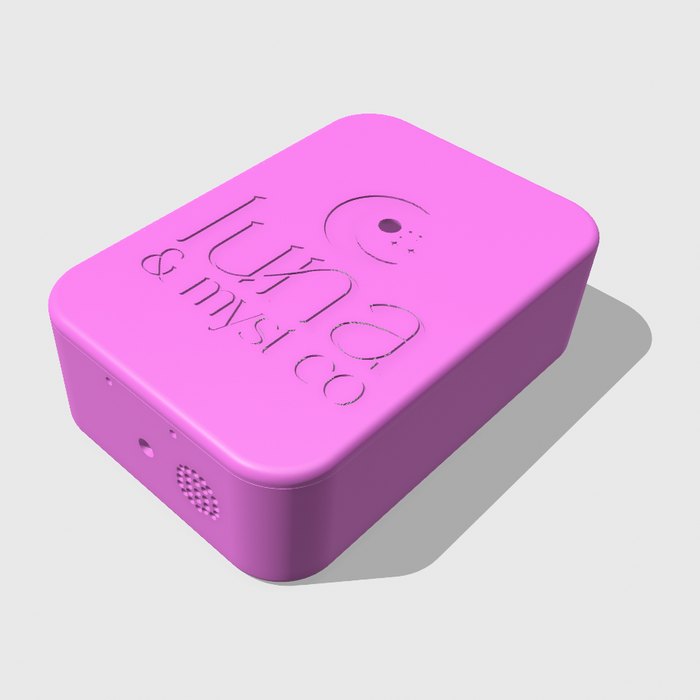
A good prototype does a lot of the selling. That's why it's worth getting it right before you start pitching.
The hybrid path
It doesn't have to be one or the other. Some inventors make a small run themselves first, sell it locally or online, and use those real sales as proof when they approach a licensee. Others license the product in one market, or for one type of customer, and keep the rest.
A small run can be the strongest evidence you'll ever have. A company is far more interested in "here's what sold last quarter" than "people say they'd buy it".
Understanding royalties
Royalty rates vary a lot depending on the industry, how strong your IP is, how much development work is left for the licensee, and how much risk they take on. Rather than chasing a particular number, focus on the whole deal:
- is there an upfront payment, or minimum royalties if sales are slow?
- which countries and product types does the licence cover?
- what happens if they stop selling it or don't launch it at all?
- who pays to protect and enforce the patent?
- how long does the deal last, and how can it end?
This is where a lawyer who understands licensing earns their fee.
Getting ready to approach a licensee
If licensing looks like the right path, a bit of preparation goes a long way. Start by making a shortlist of companies whose existing products sit closest to yours. Look at what they sell, who they sell it to, and whether your invention would fill a gap in their range or compete with something they already make.
Then put together a short, clear pitch pack:
- a one-page summary of the problem and how your product solves it
- photos or a short video of the working prototype
- your IP position, explained in plain language
- any evidence of demand you have, even if it's early
- a rough cost to make and a suggested retail price
Keep the technical detail for later meetings, once there's an NDA in place. The first conversation is about showing them why it matters to their business.
Expect it to take time. Companies have product plans that run months or years ahead, and a "not right now" isn't always a "no". Keep improving the prototype and collecting evidence while you wait.
Questions to help you decide
- How much money can I put in without risking my house or my business?
- Do I want to run a product business, or keep inventing?
- Do I already have a way to reach customers?
- How expensive is it to make, and does it need tooling?
- Is there an obvious company whose range this fits?
- Could a small test run give me proof either way?
Common questions
Is it better to license or manufacture an invention?
Neither is better for everyone. Licensing suits inventors who want lower upfront costs and less risk, while manufacturing suits people who want full control and are prepared to fund and run the business.
What do companies look for when licensing an invention?
Most companies want a working prototype, a clear IP position such as a patent application, evidence that customers want it, and a realistic idea of what it costs to make.
Do I need a patent to license my invention?
Not always, but a patent application or other IP protection makes a licence deal much easier, because it gives the company something they can rely on. Talk to a registered patent attorney about your options.
Can I make a small run first and license it later?
Yes. A small run of real sales is often the strongest evidence you can show a potential licensee, and plenty of inventors take this hybrid path.
Need a prototype that's ready to pitch?
I'm Luke, and I run Wayward Vector, a product and prototype studio on Tamborine Mountain. I build working prototypes with CAD, electronics and apps, under NDA if you need. Start with a Feasibility & Scoping Sprint ($2,200 including GST, credited to your build), or full product builds from $16,500.
Tell me about your idea